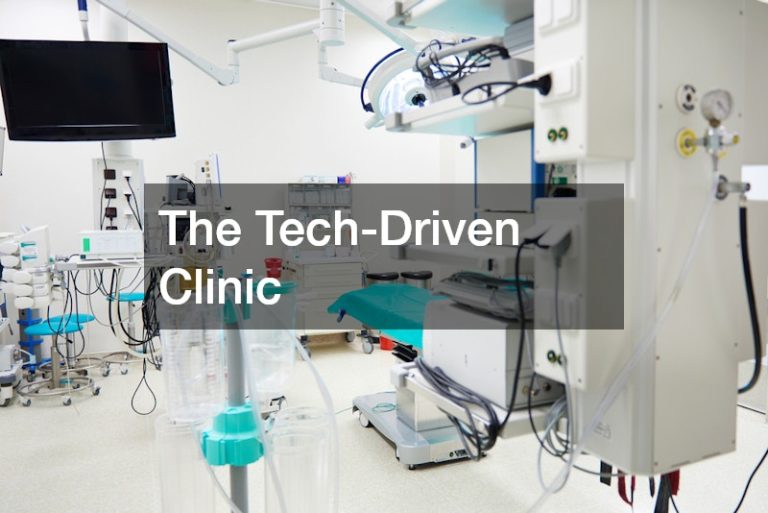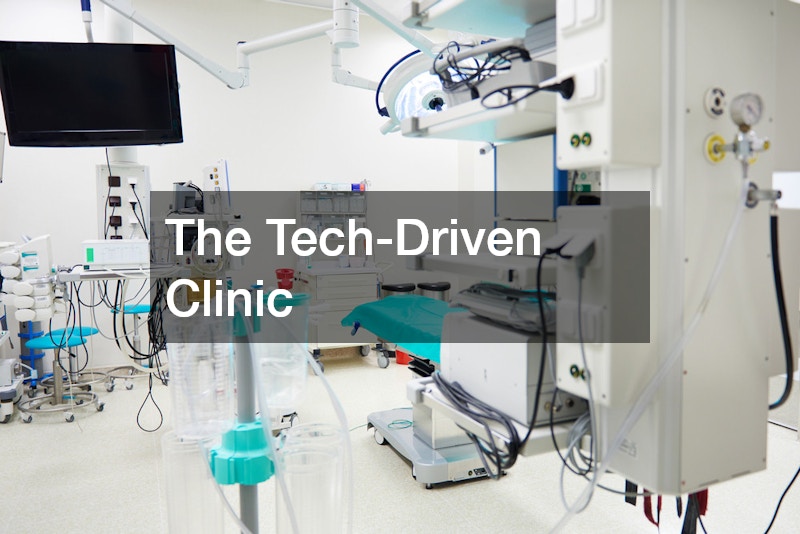
Healthcare is experiencing one of the most significant technological transformations in modern history. From digital patient records and artificial intelligence to advanced diagnostics and connected medical devices, technology is reshaping the way clinics operate and serve patients. Today’s healthcare facilities are expected to provide faster service, greater accuracy, and a better overall patient experience while maintaining strict regulatory and safety standards.
The modern clinic is no longer just a collection of examination rooms and waiting areas. It has evolved into a sophisticated ecosystem where data, infrastructure, equipment, and healthcare professionals work together in real time. This shift requires careful planning, investment, and ongoing innovation to ensure that facilities remain efficient and competitive.
As patient expectations continue to rise, healthcare providers are turning to technology-driven solutions to improve outcomes and streamline operations. Understanding the elements that contribute to a successful tech-enabled clinic can help healthcare leaders make informed decisions that support long-term growth and patient satisfaction.
Building the Digital Foundation
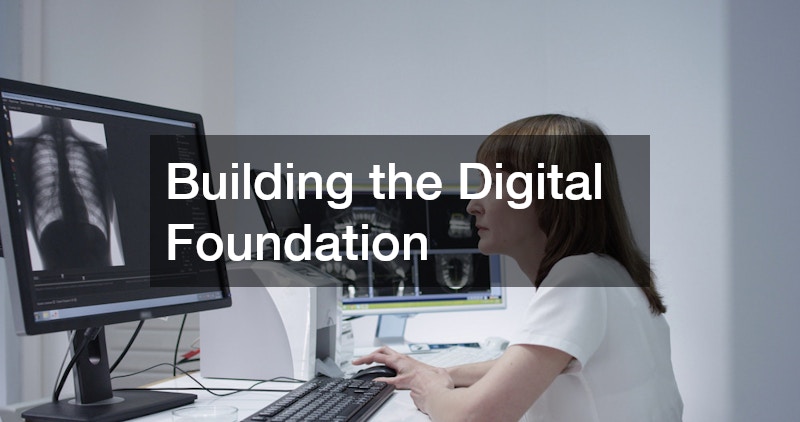
Every technology-driven clinic begins with a strong foundation. While software and equipment often receive the most attention, the physical environment plays an equally important role in supporting modern healthcare systems. A clinic must be designed to accommodate current technologies while remaining flexible enough to adapt to future innovations.
Projects involving medical construction have become increasingly complex because healthcare facilities require specialized infrastructure, compliance measures, and technology integration. Unlike traditional buildings, healthcare environments must support sensitive equipment, secure data systems, and highly controlled treatment spaces. Proper planning ensures that technology investments can function efficiently from day one.
The rise of smart healthcare facilities has also increased collaboration between architects, engineers, healthcare administrators, and technology consultants. By considering infrastructure requirements during the design phase, clinics can avoid costly modifications and disruptions later. This proactive approach helps create environments that support both patient care and operational efficiency.
Infrastructure That Powers Innovation
Technology depends on reliable infrastructure. Modern clinics use countless interconnected systems that require stable power, secure networking, and uninterrupted communication. From patient registration software to imaging equipment, nearly every aspect of healthcare delivery relies on digital connectivity.
Behind the walls of a technology-enabled clinic are extensive networks of cables that support internet access, data transfer, telecommunications, security systems, and medical devices. Proper cable management improves performance, simplifies maintenance, and reduces the risk of downtime. As clinics adopt more connected technologies, network infrastructure becomes increasingly important.
Healthcare organizations are also investing in redundancy systems that ensure critical services remain operational during outages or emergencies. Backup power systems, secure servers, and cloud-based platforms help maintain continuity of care. These investments protect patient information while supporting reliable clinical operations.
Smart Facility Design for Modern Care
Designing a clinic for today’s healthcare environment requires a balance between functionality, patient comfort, and technology integration. Healthcare spaces must accommodate digital workflows while creating welcoming environments that reduce stress and improve patient experiences.
Many healthcare organizations work with firms experienced in commercial construction because these professionals understand how to create facilities that meet both operational and regulatory requirements. Modern layouts often include dedicated telehealth spaces, technology-equipped examination rooms, and collaborative workstations for healthcare teams. These features support efficiency while improving communication among staff members.
Patient-centered design also benefits from technological enhancements. Digital check-in systems, wayfinding tools, and automated appointment notifications help reduce administrative burdens while making visits more convenient. As a result, clinics can improve patient satisfaction while optimizing staff productivity.
The Role of Advanced Clinical Equipment
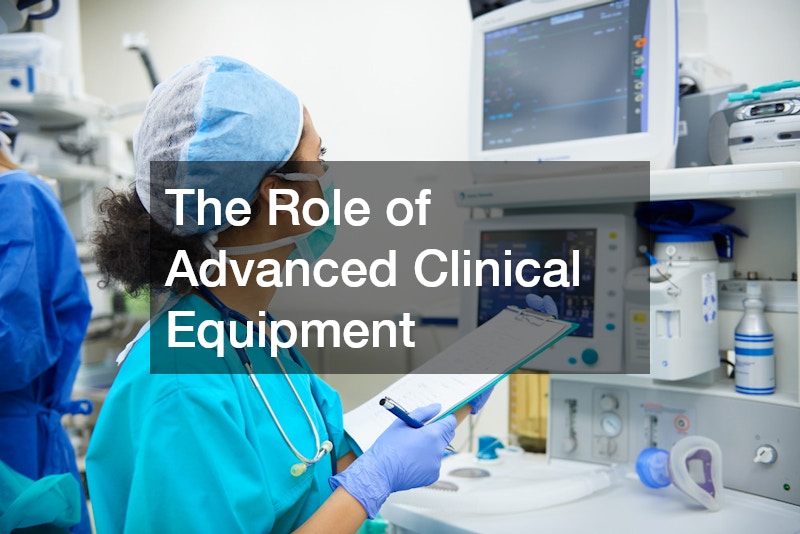
The effectiveness of a modern clinic depends heavily on the quality and capabilities of its medical technology. Advanced equipment allows healthcare professionals to diagnose conditions more accurately, perform procedures more efficiently, and monitor patient progress more effectively.
Specialized technologies such as eye surgery equipment have transformed treatment options for patients with vision-related conditions. These systems offer improved precision, shorter recovery times, and better clinical outcomes than many traditional approaches. As medical technology continues to evolve, clinics can provide increasingly sophisticated services in outpatient settings.
Equipment investments must be carefully evaluated based on patient needs, operational goals, and long-term value. Healthcare organizations that prioritize strategic technology adoption are often better positioned to remain competitive in rapidly changing markets. Continuous upgrades and maintenance help ensure equipment delivers reliable performance throughout its lifecycle.
Electrical Systems Supporting Healthcare Technology
Reliable electrical systems are critical to healthcare operations. Even brief interruptions can affect patient care, disrupt workflows, and compromise sensitive equipment. For this reason, clinics require highly specialized electrical planning and installation.
A qualified commercial electrician plays a vital role in ensuring healthcare facilities meet stringent safety and performance standards. Electrical systems must support diagnostic equipment, lighting, security infrastructure, communication tools, and backup power systems. Proper installation and maintenance help reduce risks while supporting continuous operations.
The growing adoption of connected devices and automation technologies places additional demands on electrical infrastructure. Clinics must be prepared to accommodate future growth without requiring extensive renovations. Scalable electrical systems help healthcare organizations adapt to evolving technological requirements.
Data-Driven Decision Making
One of the most significant advantages of modern healthcare technology is the ability to collect and analyze data. Clinics now generate enormous amounts of information that can be used to improve patient outcomes, optimize workflows, and support strategic planning.
Advanced analytics platforms enable healthcare providers to identify trends, measure performance, and make evidence-based decisions. These systems help administrators understand patient populations, resource utilization, and operational efficiency. As a result, clinics can allocate resources more effectively and improve service delivery.
Technology vendors are continually developing innovative health solutions that leverage artificial intelligence, predictive analytics, and machine learning. These tools can assist clinicians in identifying risks, recommending treatments, and monitoring patient progress. The result is a more proactive and personalized approach to healthcare delivery.
Essential Systems Behind the Scenes
Patients often focus on visible aspects of healthcare technology, but many of the most important systems operate behind the scenes. These critical components support clinical activities while ensuring safety and compliance throughout the facility.
One example is medical gas service, which provides essential gases used in patient care and medical procedures. These systems must be carefully designed, installed, and maintained to meet rigorous healthcare standards. Reliability is essential because many clinical functions depend on uninterrupted access to medical gases.
Additional support systems include environmental controls, infection prevention technologies, and building management platforms. Together, these elements create a safe and functional environment for patients, visitors, and healthcare professionals. Proper oversight helps maintain operational excellence and regulatory compliance.
Enhancing Operational Efficiency Through Automation
Automation is becoming a defining feature of modern healthcare facilities. Administrative tasks that once required significant manual effort can now be completed more efficiently through digital tools and intelligent workflows.
Automated scheduling systems, patient communication platforms, and billing technologies reduce repetitive tasks while improving accuracy. Staff members can devote more time to patient care rather than administrative responsibilities. This shift contributes to higher productivity and better patient experiences.
Clinical automation also supports consistency and quality improvement. Automated reminders, electronic documentation systems, and workflow management tools help reduce errors and ensure important tasks are completed on time. These capabilities are particularly valuable in busy healthcare environments where efficiency directly affects patient outcomes.
Maintaining Clean and Safe Healthcare Environments
Technology may drive innovation, but cleanliness remains fundamental to healthcare quality. Modern clinics must maintain strict sanitation standards while supporting increasingly sophisticated medical equipment and infrastructure.
Professional medical building cleaning services help healthcare organizations meet infection control requirements and maintain safe environments. These specialized services understand the unique challenges associated with healthcare facilities, including high-touch surfaces, sensitive equipment, and regulatory expectations. Effective cleaning protocols contribute to patient safety and staff well-being.
Technology is also enhancing sanitation efforts through automated monitoring systems and advanced disinfection tools. Smart sensors can track environmental conditions, while innovative cleaning technologies help improve consistency and effectiveness. Together, these solutions support healthier healthcare environments.
Improving Access Through Connected Care
Technology is expanding access to healthcare in ways that were once unimaginable. Patients can now connect with providers remotely, receive digital health updates, and access medical information through secure online platforms.
Telehealth services have become a critical component of modern healthcare delivery. Virtual consultations reduce travel requirements while improving convenience for patients. These services also allow clinics to reach underserved populations and extend care beyond traditional facility boundaries.
The integration of digital communication tools creates stronger connections between providers and patients. Secure messaging platforms, remote monitoring devices, and patient portals help support ongoing engagement. This continuous communication can lead to better adherence to treatment plans and improved health outcomes.
The Future of Patient Mobility and Support Services
Healthcare innovation extends beyond clinic walls. Transportation, logistics, and coordinated support services play increasingly important roles in ensuring patients receive timely and effective care. Technology is helping healthcare providers manage these processes more efficiently than ever before.
Modern medical transportation services use advanced scheduling platforms, GPS tracking, and real-time communication tools to coordinate patient movement. These technologies help reduce delays, improve reliability, and enhance patient experiences. Efficient transportation can be particularly important for individuals with mobility challenges or ongoing treatment needs.
Healthcare organizations are increasingly viewing transportation as part of a broader patient care strategy. By integrating transportation data with scheduling and care management systems, clinics can create more seamless healthcare journeys. This connected approach supports continuity of care and improves overall service quality.
Cybersecurity and Patient Data Protection
As clinics become more dependent on connected technologies, cybersecurity has become a critical component of healthcare operations. Electronic health records, cloud-based platforms, telehealth systems, and connected medical devices all create opportunities for improved care, but they also introduce new security risks. Healthcare organizations must protect sensitive patient information while maintaining seamless access for authorized users.
Modern clinics are investing in advanced cybersecurity measures such as multi-factor authentication, encrypted communications, network monitoring, and employee training programs. These safeguards help prevent unauthorized access, ransomware attacks, and data breaches that could disrupt operations or compromise patient trust. Regulatory compliance requirements further emphasize the importance of maintaining secure digital environments.
A strong cybersecurity strategy extends beyond software solutions. Healthcare leaders must establish clear policies, conduct regular risk assessments, and ensure that all technology vendors follow appropriate security standards. By making cybersecurity a core operational priority, clinics can confidently embrace innovation while protecting the information and systems that support high-quality patient care.
Workforce Training in a Technology-Centered Environment
Technology can only deliver its full value when healthcare professionals understand how to use it effectively. As clinics adopt increasingly sophisticated systems, workforce training becomes a critical component of operational success. Employees must be comfortable navigating digital platforms, interpreting data, and utilizing advanced equipment while maintaining a strong focus on patient care.
Ongoing education programs help staff stay current with evolving technologies and industry best practices. Whether learning new electronic health record features, mastering diagnostic tools, or adapting to automated workflows, healthcare workers benefit from structured training opportunities. Continuous learning also helps organizations maximize their technology investments by ensuring systems are used efficiently and correctly.
Technology itself is improving workforce development through online learning platforms, virtual simulations, and interactive training modules. These tools allow healthcare professionals to build skills in realistic environments without disrupting patient services. By fostering a culture of learning and adaptability, technology-driven clinics can prepare their teams to meet future challenges while delivering consistently high-quality care.
The clinic of the future is already taking shape today. Technology is influencing every aspect of healthcare delivery, from facility design and infrastructure to diagnostics, communication, and patient engagement. Organizations that embrace innovation are better equipped to meet evolving patient expectations while improving operational performance.
Building a successful technology-driven clinic requires more than purchasing advanced equipment. It involves creating an integrated ecosystem where infrastructure, staff, processes, and digital tools work together to support exceptional care. Strategic planning and continuous adaptation are essential for long-term success.
As healthcare continues to evolve, technology will remain a primary driver of transformation. Clinics that invest in smart infrastructure, advanced systems, and data-driven decision-making will be positioned to thrive in an increasingly competitive environment. Whether supporting routine appointments or delivering urgent care, the technology-enabled clinic represents the future of efficient, accessible, and patient-centered healthcare.
About the Author